
Why Bone Grafting Makes Dental Implants Possible
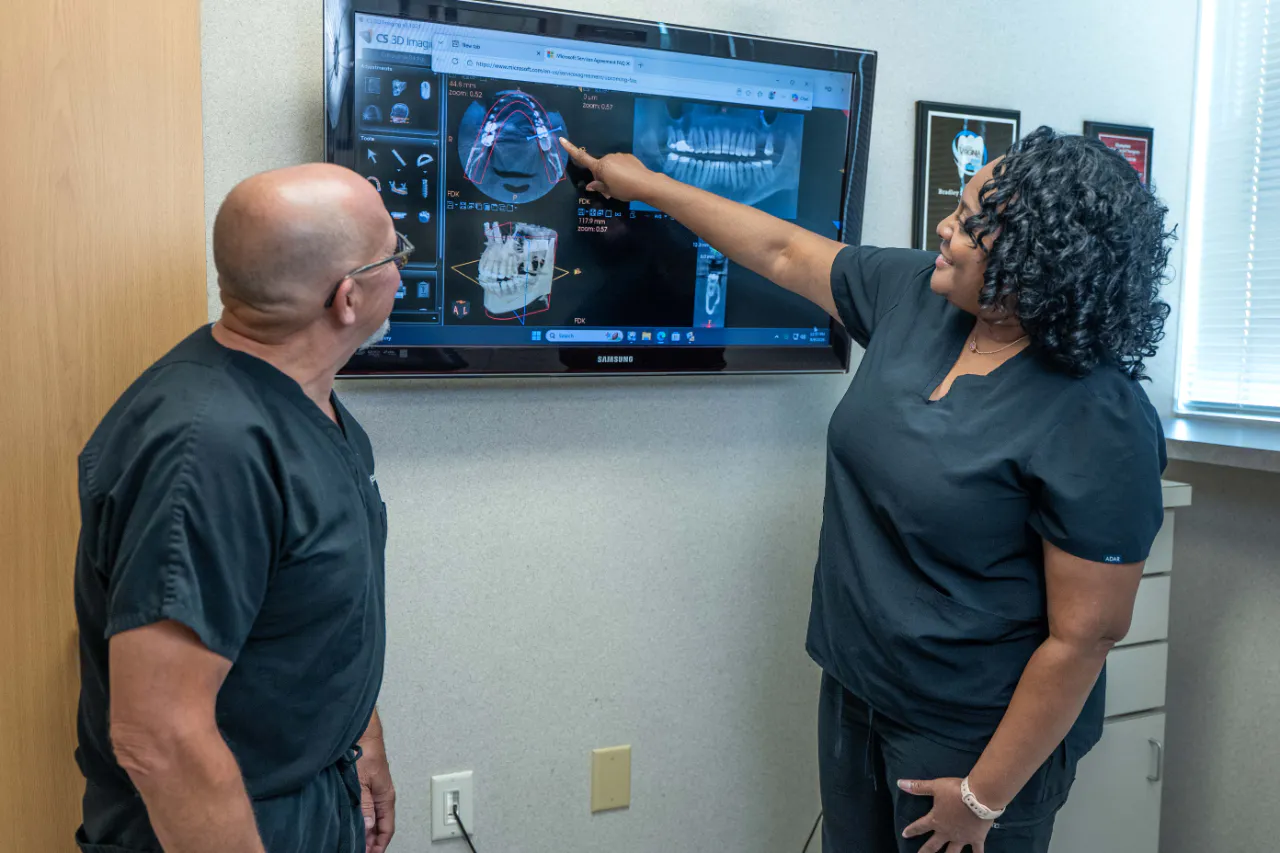
Dental implants need a solid foundation of bone to anchor the titanium post. When the jawbone is too thin or soft, the implant cannot fuse securely. A bone graft dental implant Hampton VA procedure restores that foundation, creating a strong base for your new tooth. To learn how grafting fits into the larger implant process, visit our dental implants page.
What Causes Bone Loss — and Why It Matters for Implants
Bone loss in the jaw happens for several reasons. The most common are tooth loss or extraction, periodontal (gum) disease, long-term denture wear, injury, and even sinus enlargement in the upper jaw. After a tooth is removed, the bone in that spot begins to resorb (shrink) over time. The longer the gap remains, the more bone you lose. This is why early evaluation matters: the sooner you plan for an implant, the more likely you are to have enough bone naturally.
Sinus Lift vs. Bone Graft: Which Do You Need?
Both procedures add bone, but they address different areas. A sinus lift is a specific type of bone grafting done in the upper back jaw where the sinus cavity sits close to the tooth roots. The table below shows the main differences:
| Feature | Bone Graft | Sinus Lift |
|---|---|---|
| Purpose | Restores bone height or width in any part of the jaw | Lifts the sinus membrane to create room for bone in the upper back jaw |
| Typical location in jaw | Front or back, upper or lower jaw | Upper jaw (premolar/molar area) |
| When it's needed | General bone deficiency from tooth loss, infection, or injury | Very low sinus floor that leaves little space for implants |
| Recovery timeline | 4–12 months healing before implant placement | Often 6–9 months before implant placement |
| Relationship to implant placement | May be done separately or at the same time as implant surgery | Usually done 6–12 months before implant placement |
If your upper back jaw is the issue, a sinus lift may be the right solution. In other areas of the jaw, a standard bone graft works. Our surgeons will explain which you need based on your CT scan.